
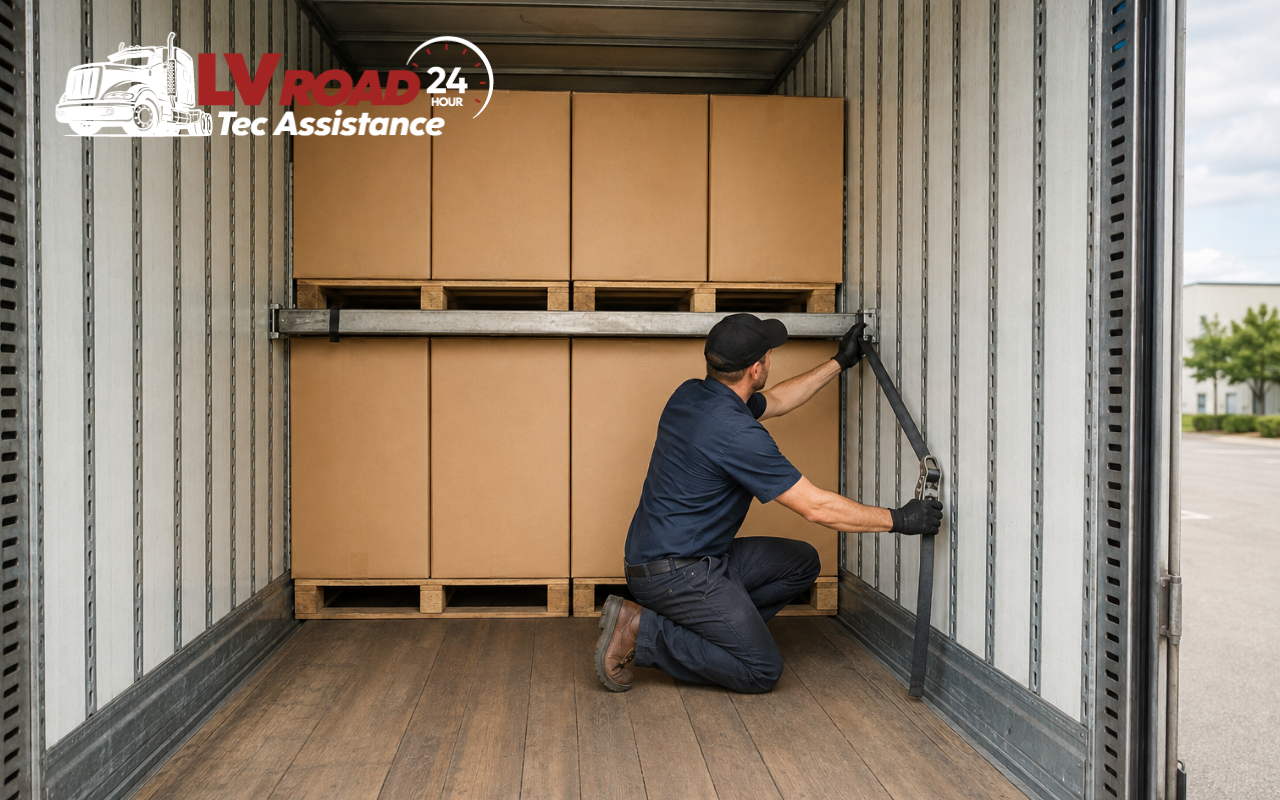
Load adjustment helps drivers protect cargo, control the truck, and reduce delays at weigh stations. A clear process also lowers the risk of shifting freight, uneven axle weight, and damage during long routes.
At LV Road Tec Assistance, we believe every safer trip starts with careful planning. By checking weight, placement, securement tools, and road conditions before departure, drivers can create a smoother and more reliable journey.
Current Rules Shape Every Safe Loading Decision
Load adjustment regulations for 2026 may affect total cargo weight, axle limits, securement methods, and inspection records. Drivers should review federal guidance and any extra state rules that apply along the planned route.
Because standards can change, keep official resources easy to reach. Digital copies, saved notices, and updated checklists help drivers prepare for inspections and avoid mistakes caused by old information. Fleet teams should also record training updates, scale results, and securement checks so important details remain available during reviews.
Balanced Cargo Supports Better Control And Performance
Good weight distribution for semi trucks on long-haul routes keeps steering, brakes, tires, and suspension working as expected. Uneven cargo can make turns, stops, and lane changes harder to manage.
- Place heavy freight low and near the center.
- Balance cargo from side to side.
- Keep each axle within its legal limit.
- Avoid heavy pressure at the trailer front or rear.
- Recheck balance after cargo settles.
A balanced trailer also reduces tire wear, fuel waste, and driver fatigue. Small changes before departure can prevent larger problems later. Better balance also supports steady handling when traffic, wind, or road work forces a driver to react quickly.
Key Factors That Change Trailer Weight Balance
Cargo size, shape, height, and material all affect placement. Tall or rounded items may move more easily, while heavy items placed too high can raise the center of gravity and increase rollover risk.
Road and weather conditions matter too. Curves, potholes, steep grades, rain, and sudden stops can shift weakly secured cargo. Therefore, every loading plan should match the route and season. Packaging strength and open trailer space also deserve attention because both can change how freight moves.
Reliable Tools Keep Freight Stable During Travel
The right equipment makes load adjustment safer and easier. Drivers should choose tools based on cargo weight, shape, surface, and movement risk.
- Ratchet straps, chains, and binders
- Load bars, blocks, and braces
- Dunnage bags and cargo nets
- Edge protectors and tensioners
- Cargo scales and axle weight systems
Inspect straps, hooks, chains, and tensioners before every trip. Damaged equipment may fail during hard braking. Our team at LV Road Tec Assistance encourages drivers to replace worn tools before loading begins.
Simple Steps Create A Safer Loading Routine
A repeatable process helps drivers catch problems early. First, confirm total cargo weight. Then place the heaviest items low, balance both sides, and check each axle with a scale or monitoring system.
- Fill open spaces with approved support materials.
- Secure cargo with correctly rated equipment.
- Check for leaning items or damaged pallets.
- Inspect the load after rough roads or sudden stops.
- Retighten devices when cargo settles.
For help before or during a route, visit our contact page for roadside support. Clear guidance can help drivers choose the safest next step.
Summer Heat Requires Extra Securement And Tire Checks
Load securement tips for truckers in summer heat include checking strap tension, tire pressure, airflow, and heat-sensitive cargo. High temperatures can stretch some materials and increase the chance of movement. Careful load adjustment during summer can also protect packaging, reduce tire stress, and prevent avoidable roadside stops.
Use edge protectors around sharp surfaces, fill spaces between pallets, and inspect straps for cracks or fraying. During hot routes, stop at safe intervals because securement may loosen as cargo and equipment warm.
Frequently Asked Questions
How often should drivers inspect secured cargo?
Inspect before departure, after the first part of the trip, and after rough roads, sudden stops, or major weather changes.
Where should the heaviest cargo be placed?
Keep heavy items low and near the trailer center or axle area, while avoiding too much weight on one side.
Can technology replace a physical load inspection?
No. Digital systems can warn about weight or movement, but drivers still need a careful visual and hands-on check.
Why does axle weight matter so much?
Correct axle weight supports legal compliance, better braking, stable steering, and lower wear on tires and suspension parts.
What should drivers check during seasonal changes?
Review strap tension, tire pressure, cargo moisture, packaging strength, and weather protection before and during the trip.
Plan Every Route With Safer Cargo Control
Consistent load adjustment combines balanced placement, dependable tools, regular checks, and current rules. It protects cargo, reduces roadside delays, and helps the truck respond more smoothly in changing conditions.
With LV Road Tec Assistance, you can access support across our mobile truck service areas. You can also review our mobile semi truck repair services when your vehicle needs roadside attention.

