
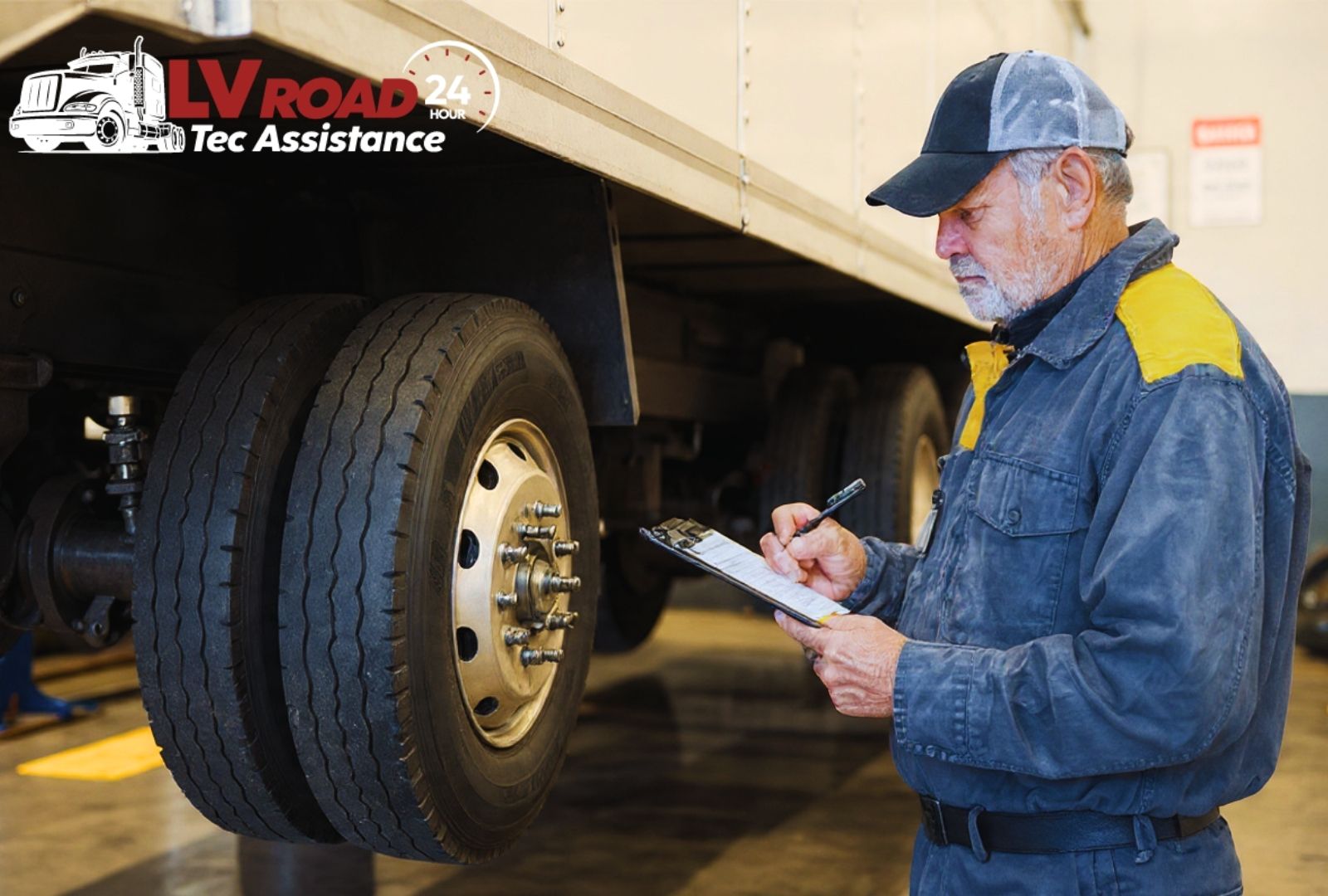
DOT annual inspection requirements in Nevada help truck drivers and fleet owners stay safe, avoid fines, and protect their business.
For many drivers, inspection rules feel confusing and stressful. However, once you break them into simple steps, the process becomes clear. Instead of dreading each stop, you can view inspections as checkpoints that keep your truck, your load, and everyone on the highway safe.
Overview of DOT annual inspection requirements in Nevada
These inspection rules make sure every commercial vehicle on Nevada roads meets basic safety standards. Inspectors review key systems, including brakes, tires, steering, and lights. In addition, they confirm that your documents match the vehicle and load you are hauling, so your paperwork and equipment always tell the same story.
Across Nevada weigh stations, officers act like safety gatekeepers rather than enemies. They simply check that your truck, trailer, and records match federal and state rules before you roll on. When you understand what they need, the inspection line feels shorter and less stressful.
- Confirm your truck and trailer meet safety standards.
- Review registration, permits, and driver credentials.
- Check weight and axle limits for your route.
- Spot issues early to prevent breakdowns on the highway.
Importance of compliance with inspections
Staying compliant with DOT annual inspection requirements in Nevada protects your wallet and your reputation. Even a single violation can lead to costly fines, surprise downtime, and extra scrutiny at future stops. Over time, repeated problems may also damage relationships with shippers who expect safe, reliable carriers.
Compliance also keeps people safe. Well-maintained brakes, tires, and lights reduce crash risks for you and everyone around you. Therefore, regular inspections and prompt repairs should be part of your normal routine, not a last-minute scramble when you see a patrol car or scale house ahead.
Understanding FMCSA inspection levels
The term FMCSA inspection levels refers to several types of checks that officers can perform on your vehicle and documents. Some focus mainly on paperwork, while others involve a full walk-around and detailed safety review. However, each level shares one goal: confirming that you and your truck meet current federal safety standards.
Main types of roadside inspections
- Basic document reviews that verify licenses, medical cards, and permits.
- Walk-around inspections that add checks of tires, lights, and visible components.
- More detailed reviews when officers spot problems or patterns of past violations.
Key components of a Nevada weigh station inspection
When you pull into a scale, officers usually follow a simple routine. First, they review your license, registration, and required permits. Next, they look over brakes, suspension parts, lights, and tires. Finally, they confirm that your cargo is secure and that your total weight and axle loads fall within legal limits.
For example, loose chains, damaged straps, or leaking loads can trigger violations and delays. Meanwhile, clean equipment and organized paperwork send a strong message that you take safety seriously. This mindset helps inspections finish faster and keeps you rolling toward your delivery.
- Have identification and permits ready before you stop.
- Secure cargo so it cannot move, leak, or fall.
- Check lights and reflective tape for visibility at night.
- Verify weight limits after loading, not at the scale.
Preparing for a successful roadside inspection
Strong roadside inspection prep starts long before you reach a scale or checkpoint. Build a weekly routine that includes quick walk-arounds, brake checks, and visual inspections of tires and lights. As a result, you can fix small issues in your yard instead of on the shoulder of a busy highway.
Keep simple tools, spare fuses, and safety gear within reach so you can handle minor problems quickly. If you spot larger issues, schedule repairs with a trusted shop such as semi truck repair in Las Vegas before inspectors find the defect for you.
Essential items on the DOT annual checklist
An annual DOT checklist keeps you from overlooking important details before your next required inspection. Start with the braking system, including pads, drums, hoses, and air lines. Then move to tires, making sure tread depth, inflation, and sidewalls all meet current safety standards.
- Test headlights, turn signals, brake lights, and clearance lights.
- Inspect steering components for play, damage, or leaks.
- Check mirrors, glass, and wipers for clear visibility.
- Confirm fire extinguishers, reflective triangles, and spare fuses are on board.
- Review fluid levels, including oil, coolant, and washer fluid.
By working through this list regularly, you turn a long inspection into a familiar routine. In addition, you catch many issues early, which protects both your schedule and your customers’ freight.
Maintaining a good CSA Score
Your federal safety rating influences how often you are inspected and how enforcement officers view your company. Clean inspections and few violations usually mean less scrutiny, while repeated problems can draw more attention. Therefore, training drivers to spot and report defects is just as important as turning a wrench.
Encourage drivers to report minor issues early and document every repair. In addition, share practical guidance, such as the truck driver safety tips your team follows on the road. This culture of safety supports better scores and fewer stressful stops.
Benefits of compliance for operational efficiency
When your fleet already meets DOT annual inspection requirements in Nevada, each checkpoint feels faster and less disruptive. Trucks spend more time moving freight and less time parked at scales or in repair bays. Over the year, this steady uptime supports reliable delivery windows and happier shipping partners.
Well-maintained equipment also helps fuel efficiency. Proper tire pressure, aligned axles, and smooth-running engines reduce wasted fuel on every trip. As a result, your maintenance program saves money twice: once by avoiding violations and again by lowering operating costs mile after mile.
Common mistakes to avoid during inspections
Many inspection problems start with simple oversights rather than major mechanical failures. Missing documents, expired permits, or disorganized logbooks can slow the process and frustrate officers. However, you can prevent most of these issues with a few quick checks before you leave the yard.
- Store important documents in one labeled folder or binder.
- Check medical cards and permits for upcoming expiration dates.
- Repair cracked lights or mirrors instead of ignoring them.
- Reinspect tiedowns after your first few miles on the road.
Frequently Asked Questions
How often do commercial trucks need a DOT inspection in Nevada?
Most commercial vehicles must pass a full safety inspection at least once every twelve months. Daily pre-trip and post-trip checks are also important, because they help you find problems between annual reviews and keep your truck ready for any surprise roadside stop.
What paperwork should I keep ready for inspectors?
Keep your license, medical card, registration, proof of insurance, and applicable permits together in one place. In addition, carry recent inspection reports and maintenance records. When officers see organized paperwork, they can move through their checklist more quickly and usually with fewer questions.
Can I use digital records during an inspection?
Many officers will accept electronic logs and digital copies of some documents, especially when systems meet current federal rules. However, technology can fail. Therefore, it is wise to keep printed backups for essential items so you can still prove compliance if your device stops working.
What happens if my truck fails an inspection?
If inspectors find serious safety defects, they may place your vehicle out of service until repairs are complete. Less severe issues can still lead to written warnings or fines. Either way, quick follow-up repairs and solid documentation show that you take the findings seriously.
How can a repair shop support my inspection readiness?
A knowledgeable repair shop can perform detailed safety checks, explain inspection trends, and help you plan maintenance around your routes. Partnering with experts also saves time, because they already understand current rules and can prepare your vehicle for the specific conditions you face in Nevada.
Simplifying DOT annual inspection requirements in Nevada
When you break inspection rules into small, repeatable steps, the process feels manageable instead of overwhelming. Use your checklist, keep records close at hand, and schedule repairs before problems grow. This steady routine turns each stop at the scale into a quick confirmation that your truck is ready for the road.
If you need help preparing your vehicles, consider partnering with a local expert. A team like Mobile Semi Truck Repair Las Vegas can handle complex repairs, while you focus on freight and schedules. For questions or to plan maintenance, reach out through their contact page.

