
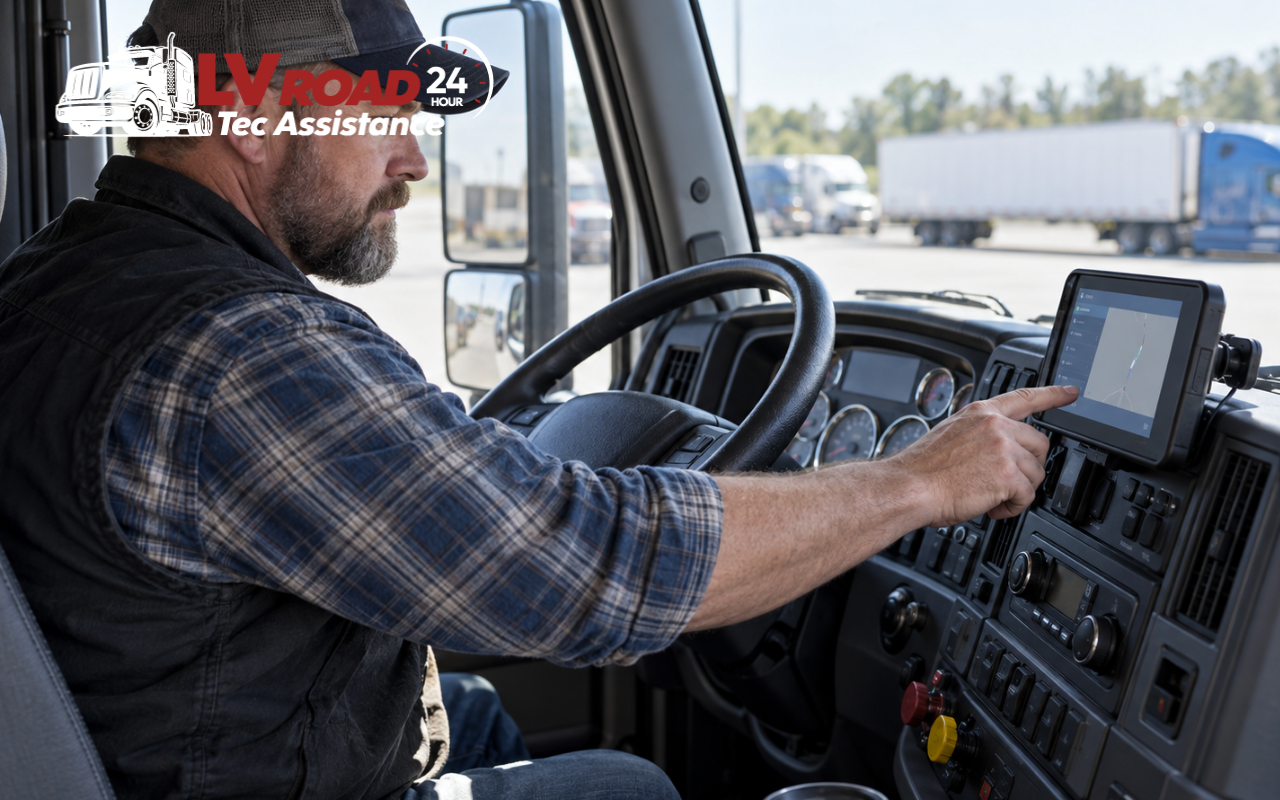
ELD compliance requirements for truckers in 2026 remain an important part of safe and legal driving. Drivers need clear records of driving, on-duty, off-duty, and rest time. At LV Road Tec Assistance, we help truckers prepare with practical checks for safer roadside operations.
Drivers can review device setup, records, and backup steps before each trip. This guide explains the main points simply, helping you protect your schedule and avoid preventable logging issues.
Core ELD Rules Every Truck Driver Should Know
ELD compliance requirements for truckers focus on accurate records and proper device use. Most drivers who must keep records of duty status need a registered ELD unless an exemption applies. The device records vehicle movement and supports hours of service tracking requirements truckers must follow.
- Use an ELD listed on the FMCSA registration list.
- Keep required ELD instructions and backup paper logs onboard.
- Make sure duty status changes and log edits are accurate.
- Be ready to show or transfer records during inspections.
Hours Of Service Tracking Supports Safer Daily Driving
Hours of service rules limit driving and on-duty time to reduce fatigue. Drivers should review available hours before accepting a route or delivery. Good planning also helps prevent rushed stops, late breaks, and errors that can create problems during a roadside check.
For more preparation, review our Nevada DOT inspection preparation guide. It explains steps that can help you organize documents, check equipment, and approach an inspection with confidence.
Electronic Logging Device Rules Explained For Clear Records
Electronic logging device rules explained in simple terms start with one goal: create reliable duty records. A compliant device connects with the vehicle and records key driving data. However, drivers still need to confirm entries, manage status changes, and review unidentified driving events when needed.
- Log in with the correct driver account.
- Review duty status before and after each trip.
- Check edits and annotations for accuracy.
- Confirm that required records remain available for review.
Roadside ELD Inspections Require Fast Record Access Today
During an inspection, a safety official may ask for hours-of-service records. Drivers should know how their device transfers data and display records on screen or by printout when supported. Practicing these steps before a trip can reduce confusion.
Our team at LV Road Tec Assistance can also help you prepare for vehicle-related inspection concerns. If your route crosses state lines, our California DOT inspection guidance gives useful information for planning ahead.
ELD Malfunctions Need Quick And Proper Driver Action
Knowing ELD malfunction and what to do on the road can prevent a small device issue from becoming a bigger compliance problem. Drivers should report the malfunction to the carrier within 24 hours and reconstruct required records when they are not available from the device.
- Note when the malfunction started.
- Notify the motor carrier within 24 hours.
- Use paper records when required.
- Keep enough blank log pages for at least eight days.
- Follow the carrier and ELD provider repair process.
Regular Device Checks Reduce Logging Problems On Routes
ELD compliance requirements for truckers in 2026 are easier to manage when drivers check equipment before problems appear. Confirm that cables are secure, the device powers on, and the application connects correctly. Also review software notices from the ELD provider and report unusual errors early.
Mechanical issues can also interrupt a route. At LV Road Tec Assistance, we can support drivers with semi truck and trailer repair support in Nevada when vehicle problems need attention.
Frequently Asked Questions
Do All Commercial Truck Drivers Need An ELD?
No. Some drivers and operations qualify for FMCSA exceptions. Because eligibility depends on how you operate and maintain records, check current federal requirements before relying on an exemption.
What Records Should Drivers Keep Inside The Truck?
Drivers using an ELD should carry the required user instructions, data transfer directions, malfunction instructions, and enough blank paper log sheets for at least eight days.
How Should Drivers Prepare For An ELD Inspection?
Practice showing logs, learn the transfer method supported by your device, and review duty records before driving. An ELD compliance inspection service can also help identify preparation gaps.
What Happens When The ELD Stops Working?
Report the problem promptly, keep required manual records, and follow repair steps. The carrier generally has eight days to repair, replace, or service the malfunctioning device unless an extension is granted.
Why Is Accurate Hours Of Service Tracking Important?
Accurate records show driving and rest time clearly. They also help drivers plan routes, manage breaks, and reduce avoidable issues during inspections.
Stay Ready For ELD Compliance Throughout Every Trip
ELD compliance requirements for truckers in 2026 should guide everyday trip preparation, not only inspection day. Following ELD compliance requirements for truckers also helps drivers stay ready between inspections. Review your logs, know your device, carry backup materials, and respond quickly to malfunctions. These habits can protect driving time and support operations.
When you need practical roadside support, our professionals at LV Road Tec Assistance are ready to help with truck-related concerns. Use our consultation page for roadside service support and keep your route moving with better preparation.

